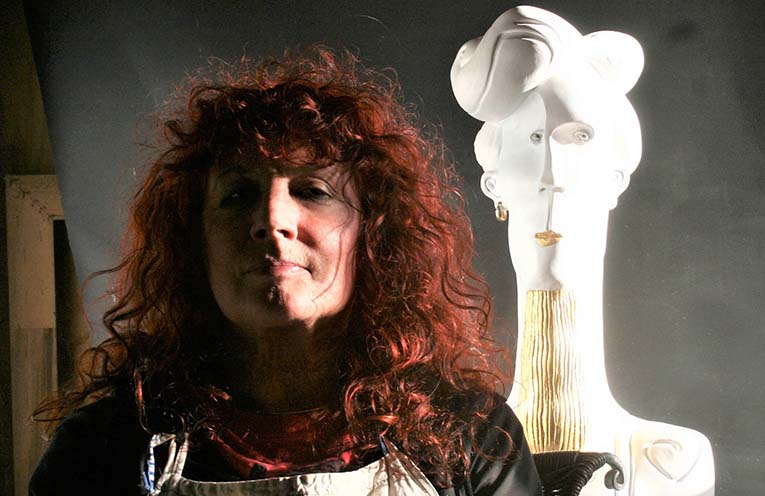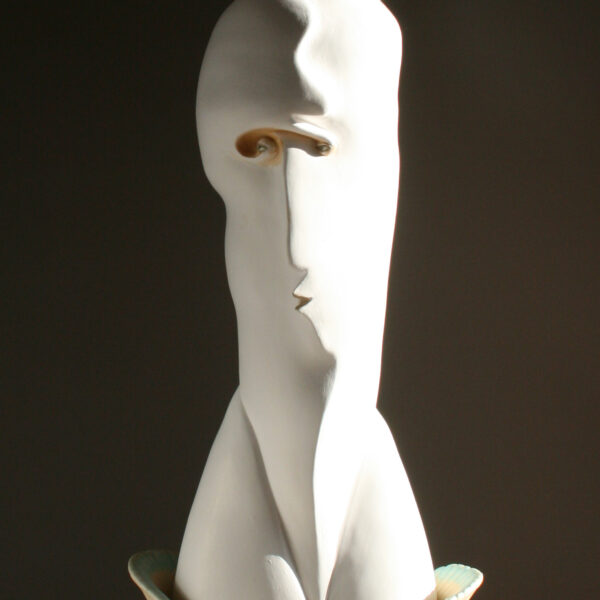
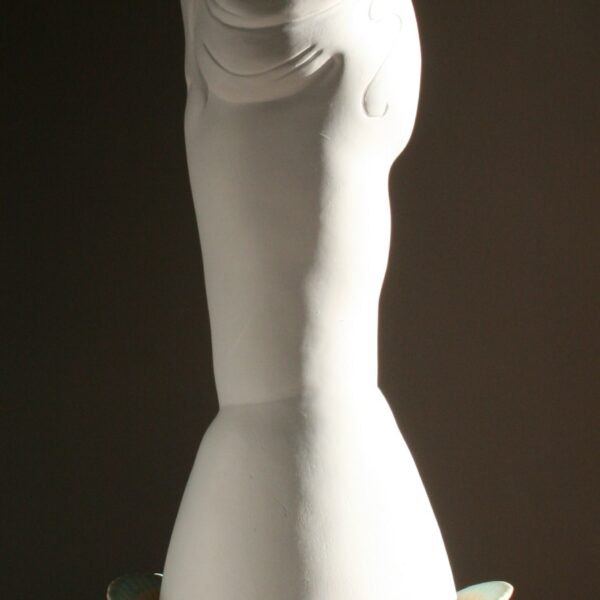
Sally Hook is a New South Wales-based ceramic artist whose practice spans more than four decades of dedicated exploration in clay. Living and working on the Mid North Coast of NSW, she began her journey with ceramics in 1980 and has since developed a distinctive sculptural language grounded in figurative expression, humour, observation and imagination.
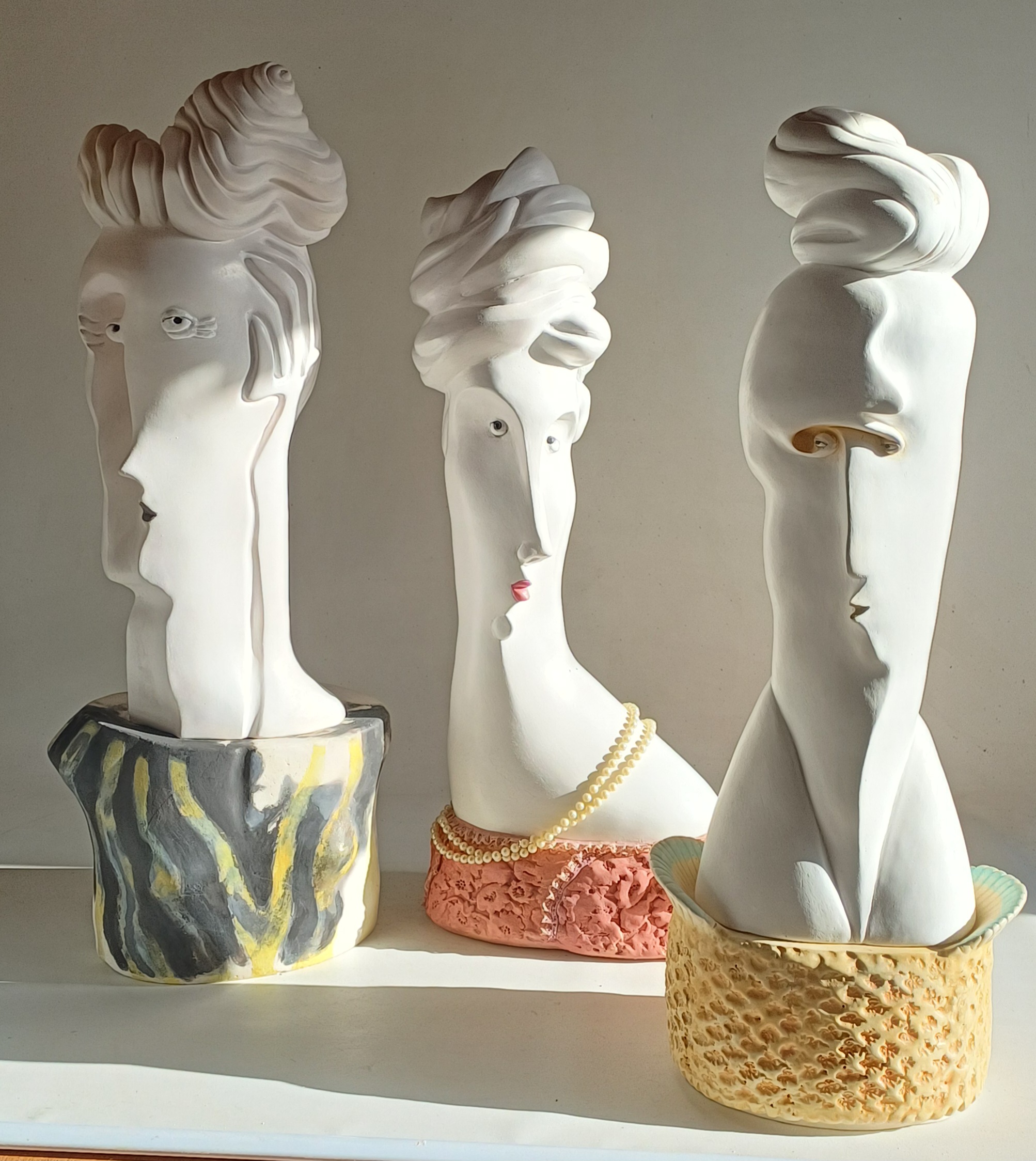
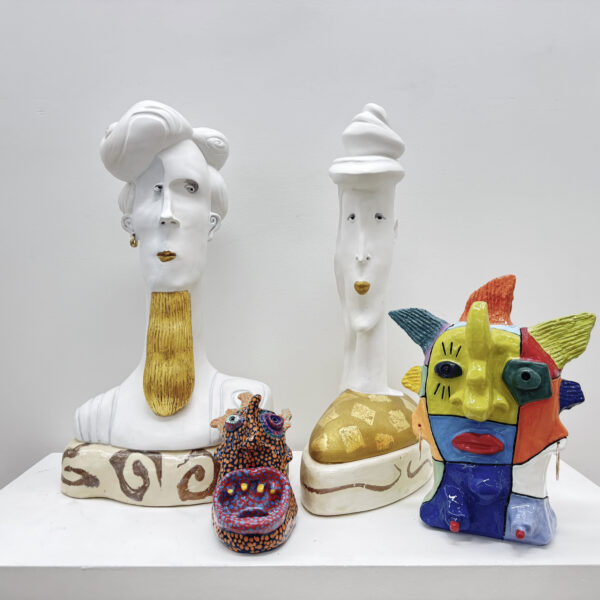
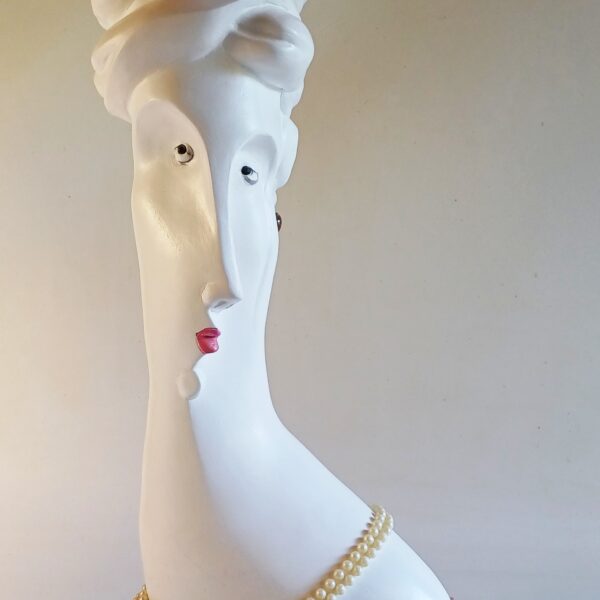
Over the course of her career, Hook has worked across a wide range of ceramic forms and techniques, from functional pottery to highly individual sculptural works. Her practice is particularly recognised for its characterful busts, anthropomorphic birds and expressive figures that combine technical mastery with a playful examination of human behaviour and personality. Drawing from both everyday life and the subconscious, her works often balance whimsy, beauty and eccentricity, inviting viewers to find familiarity within the unexpected.
Clay has been at the centre of my creative life since 1980, when I first discovered its transformative potential. What began as a fascination with the simple act of building a form from coils quickly became a lifelong exploration of sculpture, storytelling and human expression. For more than four decades, clay has provided an endless source of challenge, discovery and possibility.
My work is fundamentally figurative. I am drawn to the extraordinary diversity of people, personalities and behaviours, and to the ways that character reveals itself through posture, expression and form. Whether creating busts, birds or imagined beings, I seek to balance humour, beauty and oddity, allowing the work to move beyond literal representation into something more intuitive and symbolic.
Ideas often emerge through drawing and spontaneous doodling, where imagery arrives from the subconscious before finding its way into clay. I am interested in the intangible aspects of being human—the quirks, vulnerabilities, aspirations and absurdities that connect us all. My sculptures frequently inhabit a space between reality and imagination, where familiar forms become vehicles for reflection, narrative and play.